 English
  Français
DevOps + Security = Sustainable Performance
Today, tech companies no longer have the luxury of waiting. In a context where development cycles must be fast, efficient and secure, DevOps is emerging as an essential pillar.
But a CI/CD pipeline without built-in safety is like driving without brakes.
This is where DevSecOps comes in: an approach that combines automation, agility and security from the very first lines of code.u’intervient le DevSecOps : une approche qui combine automatisation, agilité et sécurité dès les premières lignes de code.
What is automated deployment?
Automated deployment is an integral part of DevOps practices. It enables:
- To deliver faster
- To reduce human error
- To ensure consistency across environments
A well-structured CI/CD pipeline will automate each step:
- Code building
- Automated testing
- Deployment to target environments
But for it to be reliable and compliant, it must include security controls from the outset.
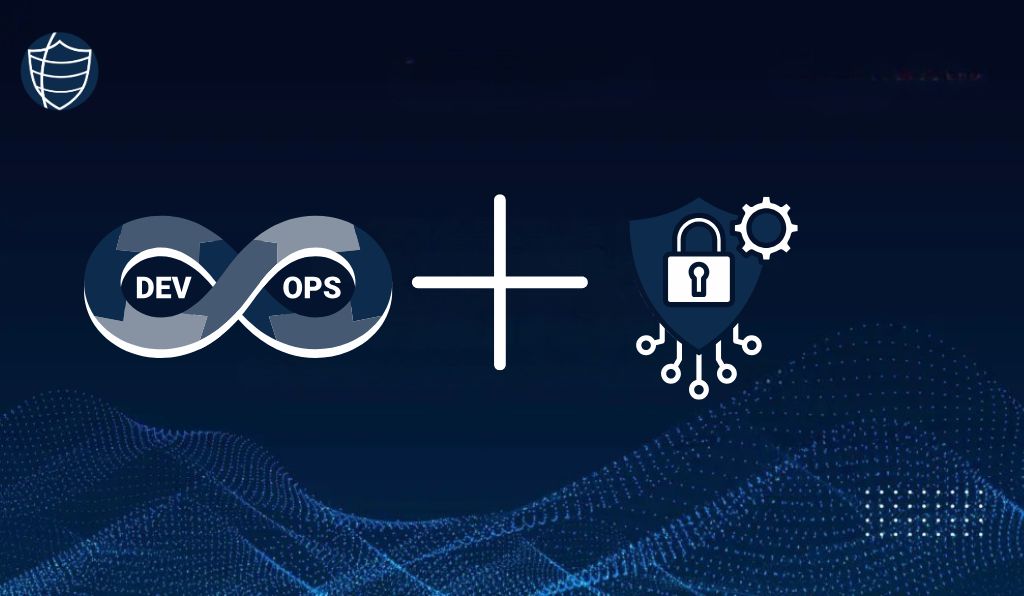
Why integrate security (DevSecOps) into your pipelines?
Integrating security directly into DevOps pipelines ensures that vulnerabilities are detected and resolved early in the development lifecycle. When supported by a structured IT automation framework, organizations can automatically enforce security policies, compliance checks, and configuration standards without slowing down deployments.
The risks of an unsecured pipeline:
- Undetected vulnerabilities
- Exposure of secrets/APIs
- Non-compliance (SOC 2, GDPR, Law 25)
- Risks of deploying unaudited code in production
The advantages of a secure pipeline:
- Automated code analysis (SAST/DAST)
- Secure secrets management (Vault, AWS Secrets Manager)
- Continuous security testing
- Full visibility for audits
DevSecOps is based on the “Shift Left” principle: integrating security from the very beginning, not at the end.
Example of a secure CI/CD pipeline
Here are the typical steps of a secure DevOps pipeline:
- Commit to GitHub or GitLab
- Automated vulnerability scanning (e.g., Snyk, Trivy)
- Automated unit testing and code reviews
- Vault or AWS Secrets Manager integration for sensitive variables
- Deployment via Terraform or Ansible in a secure cloud environment
- Integrated monitoring (Datadog, CloudTrail, ELK)
Best practices for a successful DevSecOps pipeline
- Use Infrastructure as Code (IaC) for a consistent and versioned environment
- Never store secrets in code
- Integrate open-source or commercial tools to scan each build
- Train developers in application security
- Implement a clear audit trail
DevSecOps : a strategic lever
Integrating security into your DevOps process is not just a good practice, it’s a competitive advantage:
- You comply with standards (SOC 2, ISO 27001, Law 25)
- You inspire confidence in customers and partners
- You reduce the risk of incidents and financial losses
Need help securing your pipelines?
At Data Next Step, we support companies in setting up secure DevOps pipelines, adapted to their technical and regulatory challenges.